


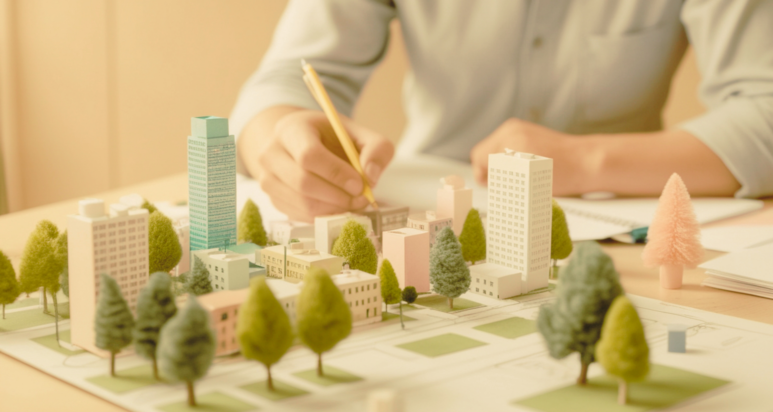

Urban planning is no longer just about zoning land or drawing neat grids on a map. In an era defined by rapid urbanization, climate volatility, and technological breakthroughs, the blueprint of a city dictates the quality of life for millions. Modern cities are complex, living ecosystems. Designing them requires an intricate blend of visionary architecture, data-driven engineering, and an unwavering commitment to environmental sustainability.
Firms at the cutting edge of this industry, such as multidisciplinary engineering consultancies like Amiral Consultant Engineers (ACE), approach urban planning as a multi-disciplinary symphony. By merging advanced geospatial analytics with deep contextual awareness, contemporary planners are redefining what it means for a city to grow, breathe, and endure.
1. The Shift Toward Smart and Sustainable Master Planning
The traditional approach to city growth often prioritized expansion over efficiency, leading to congested traffic corridors, high carbon footprints, and disconnected communities. Today, smart master planning is the gold standard.
Smart urban planning leverages advanced technologies like Geographic Information Systems (GIS), Building Information Modeling (BIM), and Internet of Things (IoT) sensors to simulate urban growth before a single brick is laid. Planners can analyze traffic flow, energy consumption patterns, and population density projections in real time. This ensures that infrastructure projects—from utility grids to public transit networks—are integrated seamlessly from the ground up.
Sustainability is the core anchor of this evolution. Frameworks like Abu Dhabi’s Estidama Pearl Rating System or global green-building standards push developers to look beyond short-term gains. Modern master plans prioritize energy efficiency, renewable power integration, and waste reduction, ensuring that the development of today does not compromise the environmental resources of tomorrow.
2. Climate-Responsive Design: Cooling the Concrete Jungle
Rapid urbanization often triggers the “urban heat island” effect, where asphalt, concrete, and dense buildings absorb and re-emit solar radiation, driving up ambient temperatures. In arid regions and rapidly warming global climates, countering this effect is a matter of urban survival.
Forward-thinking urban planners incorporate bioclimatic design principles into their master layouts. By analyzing local wind patterns, solar orientation, and seasonal microclimates, planners can carve out “cool corridors” and wind-funneling streetscapes. These passive design strategies naturally lower ambient temperatures in public spaces, making outdoor environments comfortable even during peak summer months.
Furthermore, landscape architecture plays a vital role. Integrating xeriscaping, native drought-tolerant flora, and strategic “softscapes” into urban master plans helps conserve precious water resources while maximizing green cover. These green networks do more than look aesthetically pleasing; they clean the air, manage stormwater drainage, and restore biodiversity to urban cores.
3. Human-Centric Design and Social Cohesion
At its core, urban planning is about people. A successful city must foster a sense of community, safety, and social well-being. When urban design focuses exclusively on vehicular traffic, it isolates residents. Conversely, human-centric planning prioritizes pedestrian pathways, accessible public parks, vibrant cultural hubs, and recreational spaces.
In regions blending rich cultural heritage with hyper-modern development, urban planning must also respect local identity. For instance, blending traditional spatial concepts—such as shaded alleyways or community courtyards, with modern transit-oriented design creates spaces that feel both futuristic and deeply rooted in local culture.
Mixed-use developments are another pillar of human-centric planning. By placing residential, commercial, and recreational spaces within close proximity, cities reduce the need for long daily commutes. This not only lowers carbon emissions but also returns valuable time to residents, enhancing their overall work-life balance.
4. Navigating Regulatory Complexity and Regulatory Compliance
Transforming a visionary master plan into a physical reality requires navigating a complex labyrinth of municipal laws, zoning codes, and environmental regulations. Regulatory bodies—such as municipal departments of transport and urban planning authorities—enforce strict compliance guidelines regarding safety, structural integrity, and aesthetic harmony.
This is where the expertise of an established engineering consultancy becomes indispensable. Experienced consultants act as strategic bridges between private developers and government entities. By maintaining a deep understanding of local statutory frameworks and international best practices, multidisciplinary firms streamline the approval process. They ensure that zoning permits, environmental impact assessments, and infrastructure clearances are managed proactively, keeping large-scale projects strictly on schedule and within budget.
Conclusion: Building the Resilient Cities of Tomorrow
Urban planning is the most powerful tool humanity possesses to shape its collective future. As cities face unprecedented demographic shifts and environmental pressures, the demand for intelligent, resilient, and sustainable design has never been higher.
Achieving this delicate balance requires more than technical software; it demands experience, cross-disciplinary collaboration, and a profound respect for both the environment and the community. Whether it is crafting a sprawling master community, revitalizing an industrial zone, or integrating green architecture into a desert metropolis, trusted engineering and consultancy partners, exemplified by firms like Amiral Consultant Engineers, continue to light the path forward. Through visionary planning and meticulous execution, they turn the architectural dreams of tomorrow into the thriving, sustainable cities of today.


